About Emily
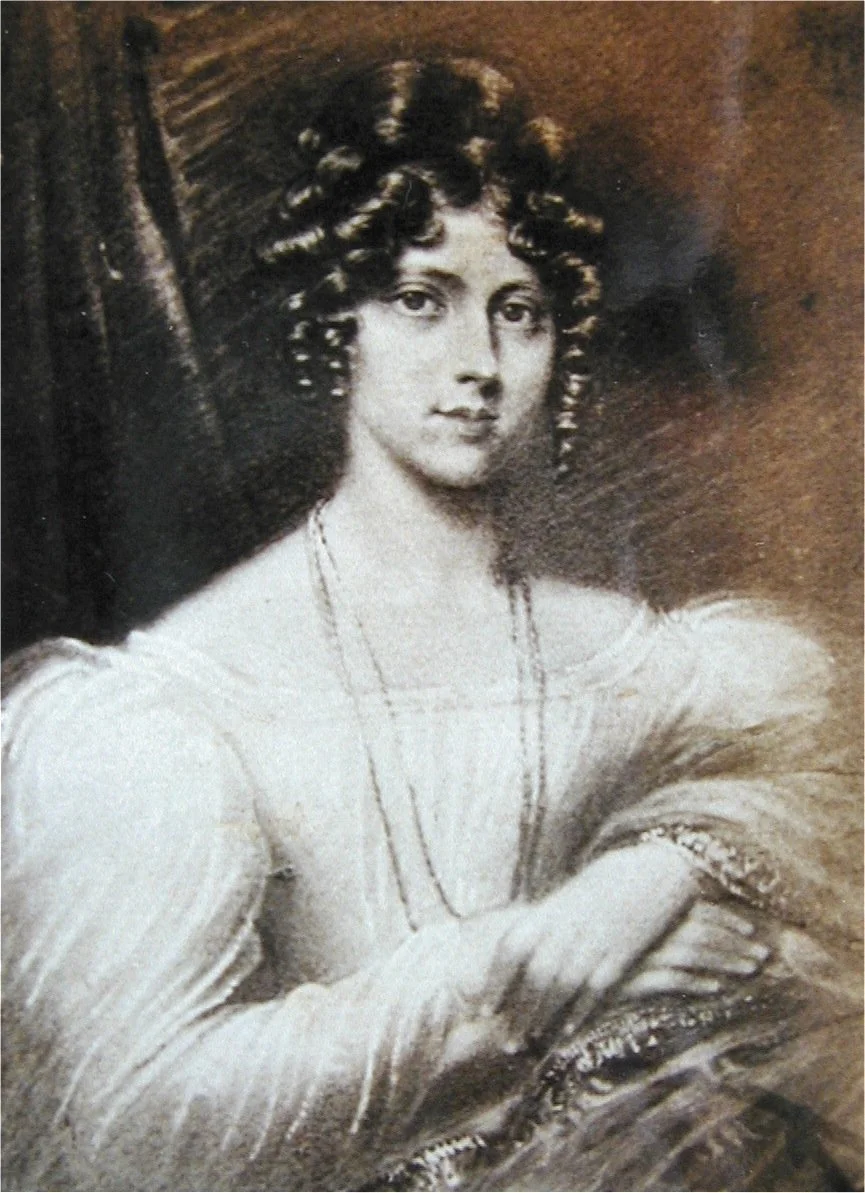
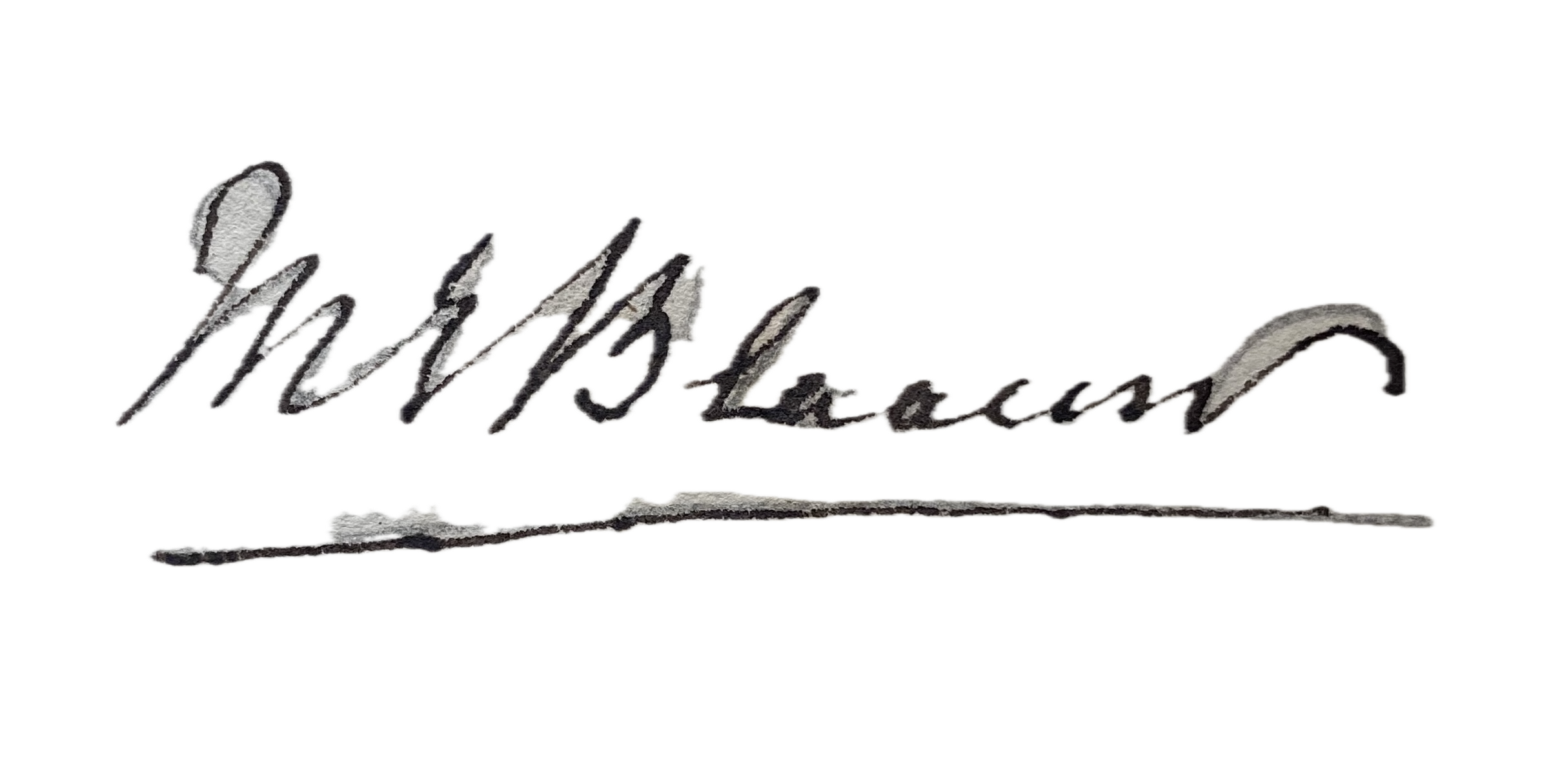
Meet Margaret Emily Blaauw (née Gillman), the creator of the recipe book.
Emily, as she was known, was born on 23 November 1798, the daughter of Sir John Gillman and his wife Hannah. She probably began her collection of recipes upon her marriage in 1832 to William Henry Blaauw, a gentleman of Dutch heritage. What else was happening in the year 1832? King William IV was on the throne, Charles Darwin was voyaging on HMS Beagle, Mendelssohn was composing, and Turner and Constable were painting. In Paris, the barricades fell (Do you hear the people sing … ?) and in Britain the passing of the Great Reform Act marked the beginning of parliamentary reform. It was a society on the cusp of change with the advent of the Victorian era in 1837.
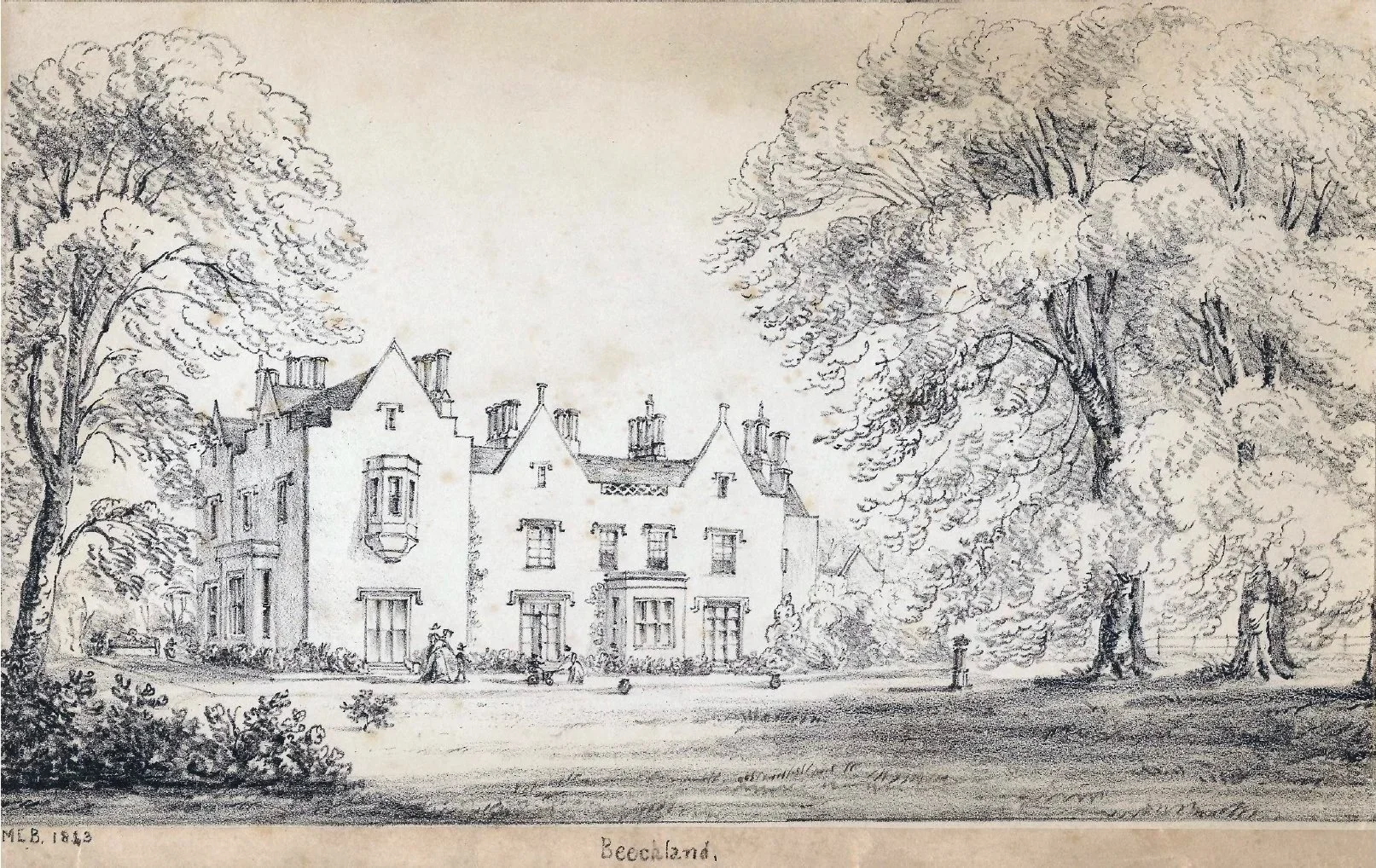
In 1834, Emily became mistress of Beechland, a large house outside Newick in Sussex. There she raised her children Emily, Tom, Henry and a stepdaughter, Louisa. Sadly, Louisa died aged 14 in 1841 – a terrible blow for her father, who had already suffered the loss of his first wife and Louisa’s mother, Harriet, and a baby daughter named Caroline, when they died within days of each other in May 1828.
The Blaauw family is pictured here in 1843, in the grounds of Beechland, in a sketch drawn by Emily. Like many women of her social standing, she had the time and leisure to become an accomplished amateur artist.
Tasked with managing busy households, women of Emily’s social status typically collected recipes (or receipts) from family and friends. Passing recipes around was a form of social currency – a means of demonstrating fashionable good taste, sharing trusted methods of health preservation, and safeguarding family heritage. Several of the women in Emily’s family died at a young age – including her own mother – but their memory is preserved through the recipes collected in Emily’s book.
Handwritten recipe books existed alongside the published cookbooks that became increasingly popular in households with servants, especially Hannah Glasse’s The Art of Cookery, first published in 1747. It remained the dominant reference book until Eliza Acton’s Modern Cookery for Private Families was published a century later in 1845. It is likely that Emily knew and used both of these books, passing on recipes to her servants to prepare for her family and guests. Though they were separated by a century in time, Hannah Glasse and Eliza Acton eschewed fussy dishes in favour of hearty sustenance – much like the recipes that Emily collected.
Merely to please the eye by such fanciful and elaborate decorations as distinguish many modern dinners, or to flatter the palate by the production of new and enticing dainties, ought not to be the principal aim, at least, of any work on cookery. “Eat – to live” should be the motto, by the spirit of which all writers upon it should be guided.’
– Eliza Acton, Modern Cookery for Private Families, 1845
And about me
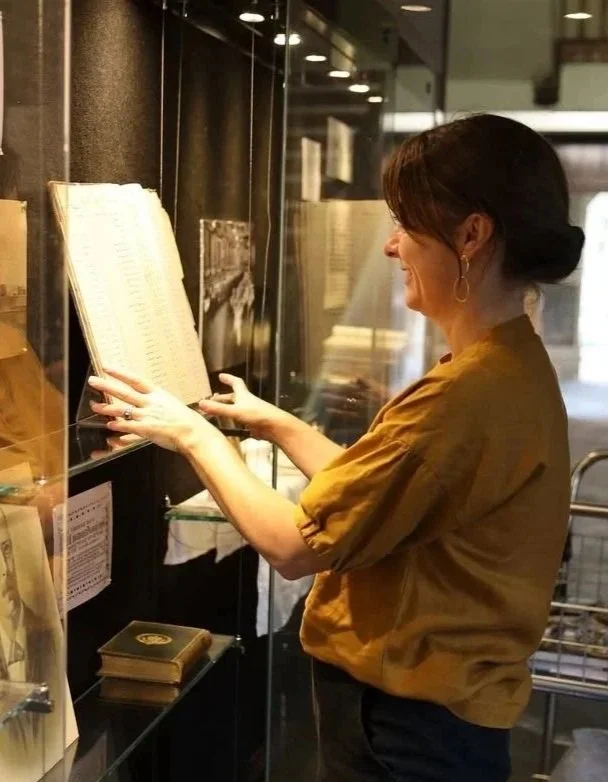
I am Sophie – a writer, historian and the great-great-great granddaughter of Emily Blaauw.
When Emily’s recipe book was handed down to me, it seemed like more than an heirloom. It was a portal to the past through food.
Drawing on an extensive family archive, published research and site visits, I explore the people, events and domestic worlds behind the recipes. I uncover forgotten ingredients, trace culinary fashions, and test selected dishes in my own kitchen.
If you’re curious about the history and hidden stories behind what we eat, I hope you’ll join me. Subscribe below to receive new posts. And if you’d like to support the research behind this work, you can buy me a coffee — contributions keep the project simmering!